
A laboratory for exploring the adventures of intersubjective worlds and possibility
Optimal Relating Groups
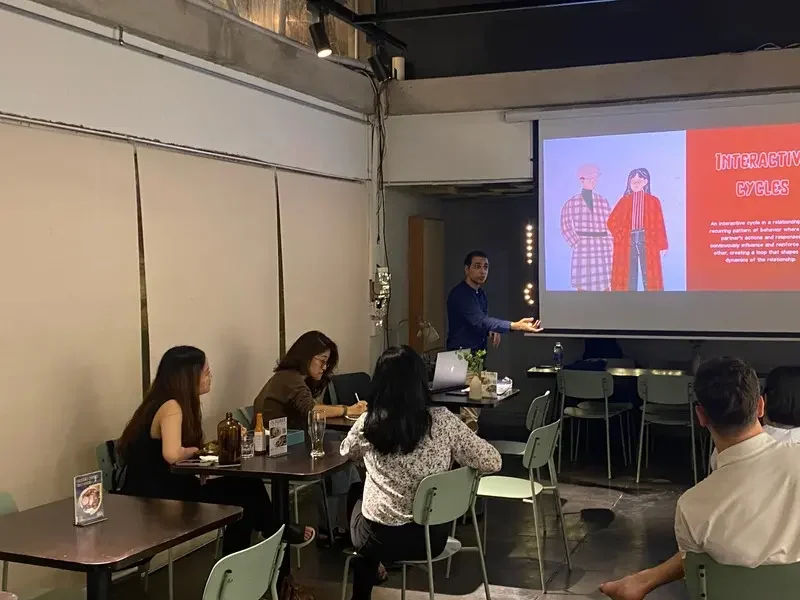
Learn the theory, methods, practices, and real-world applications of optimal relating while at the same time having fun and connecting with others in a mutual satisfying and supportive context
Optimal?
Every situation brings with it its own set and range of possibilities and potentialities. We may ask: which of those, how many, and to what degree will these be realized or actualized?
Further still, we may notice that some of those possibilities exist on different vectors and spectrums. On one of such spectrums, there are possibilities that cause unnecessary suffering, confusion, pain, loss of potential, wasted time, devolution, or arrest any kind of positive growth.
On the other end of the spectrum are those experiences, processes, and ways of being that foster growth, healing, insight, expanded range of possibility, discovery, enjoyment, happiness, well-being, and the like.
It would then make sense to ask: which of those are optimal and what optimizes them?
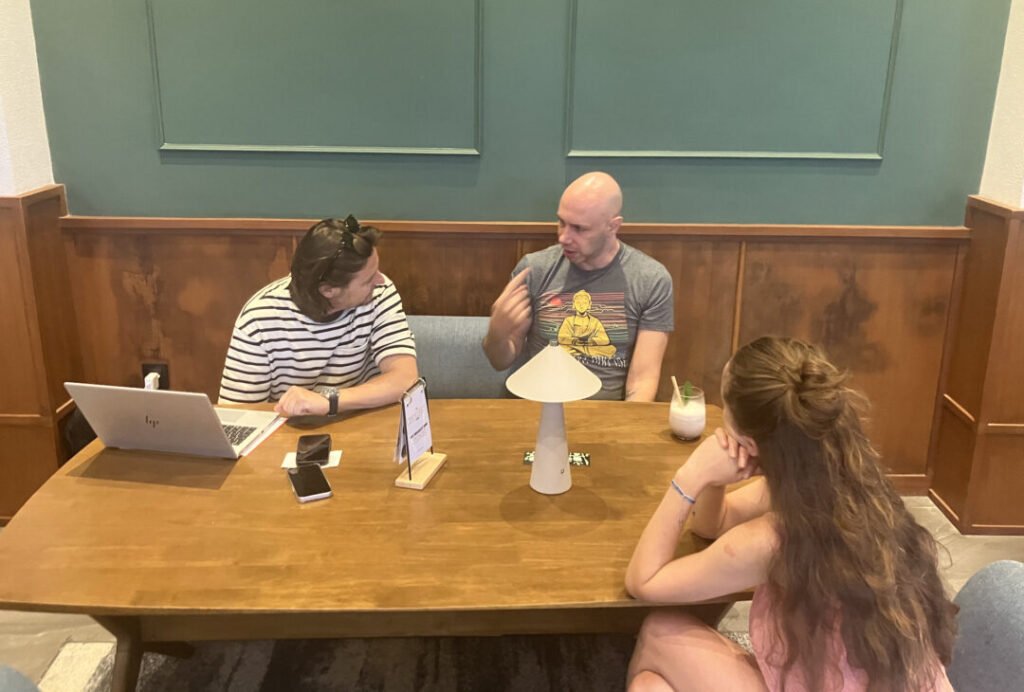
The Art & Science Of
One of modern psychology’s greatest contributions to the world has been its amazing depth of knowledge and practice in optimal ways of relating. However, much of this knowledge is still as yet little known to the general public. In these groups we recontextualize and marry these with wisdom. We explore this treasure trove of knowledge, as well as the means by which it can be applied.
Some Topics Explored
In these groups we explore and touch upon a whole range of topics, but put the emphasis on those aspects and ways of relating that foster
and/or distinguish themselves as optimal relating. We often take a top-down approach, beginning with exploring the nature of relationship itself and the different kinds of relationship we can have. We then take any number of routes or pathways from there, delving deeper into particular types of relationship (e.g., intimate couples, friendships, healing relationships, groups, etc.) and/or particular aspects (e.g., empathy, mirroring, attunement, mutual regulation, cycles of interaction, intersubjectivity & feedback loops, communication skills, levels and types of connection, guidance and healing possibilities in relating, relating as resource and context for growth, expression, creativity, teleological movements, and several others). We hold all these as living inquiries. The emphasis is direct experience, gaining access to the interior lived meaning of what is being explored, and thus, ideally, learning and knowing it from the inside, so to speak.
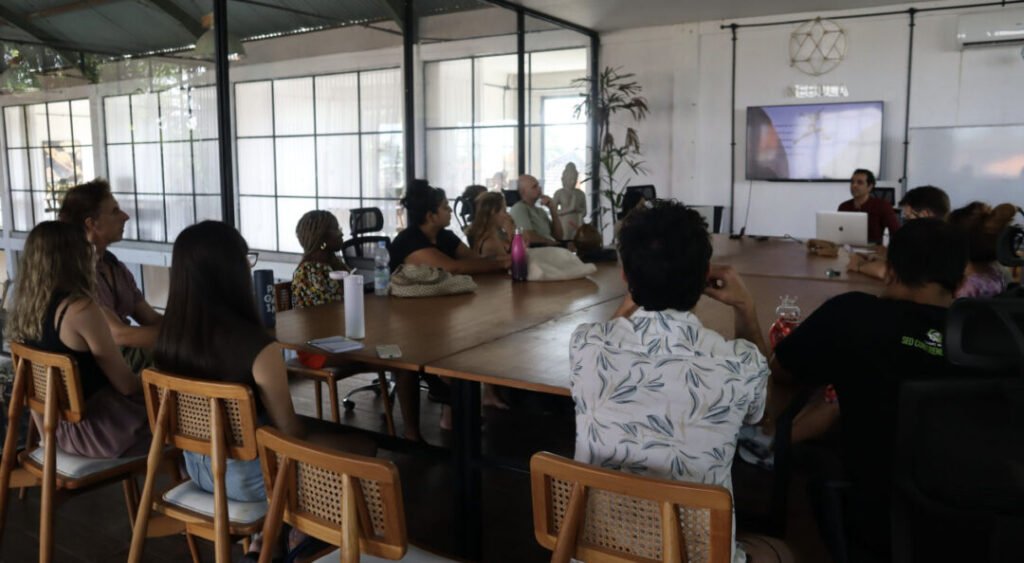

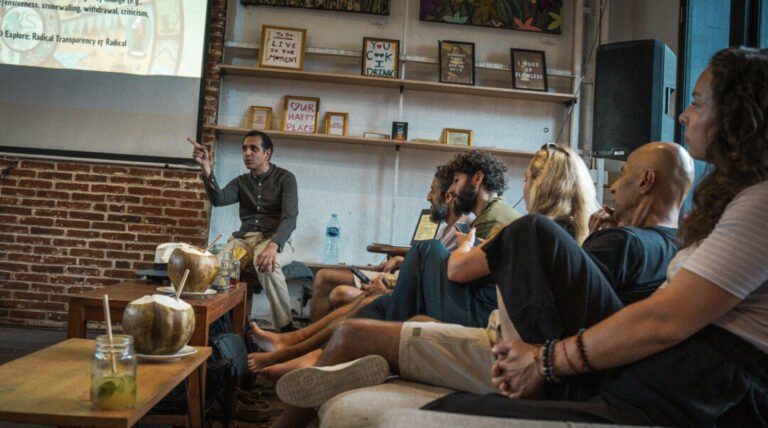
Importance Of
If we simply ask the question of how much our life and human life in general is spent in some form of human relating we might be surprised to see just how much. We may be equally, if not more surprised that given how much time and consequence human relating carries for a human life, the shocking dearth of public attention/study, discussion, and education allocated to it. And, this is often reflected in our own lives, for how much time does the average individual give to reflecting on the nature of optimal relating. This, indeed, is surprising because much of joy, zest, color, and richness in a human life is to be found in relating. Equally noteworthy is how much of the suffering humanity endures is not at the hands of something like natural disaster but by what transpires in interpersonal relating. Seen in this light, carving out time for serious learning and exploration of relating is not so much a luxury as a must. To know what optimal relating is, is to also know and recognize what it is not, and this may also help us to inoculate or otherwise protect ourselves from veritable minefield of problematic dynamics and navigate its complexities. This accords well with research that says social-emotional intelligence is a key predictor of success in life on a variety of metrics.
But even short of that, just taking the time to wonder and reflect on the nature of relationship can itself be life-changing. I’m reminded of what Wittgenstein said: The limits of our language are the limits of our world. In a like manner, the limits of our relational lexicon, as well as are often non-conscious and inherited conceptions of what a relationship is, can itself a determinative influence on the range of possibility and experience that is open to us for this human life, as well as what ends up happening in our own very specific relationships (how things play out, unfold, what any given relationship ends up becoming), and perhaps even wider communities, societies, and global relations (a macrocosm often mirroring the health and wellness of the microcosm, analogous to how the whole body reflects the health of its individual cells and organs).
Farther Reaches of Exploration & Possibility
When we use the word optimal in this context we also implicitly suggest an interest in uncovering, realizing and actualizing the many possibilities and potentialities inherent in the mystery of relationship. WisdomPsych is not new in this exploration, for we see these possibilities, and its farther reaches, reflected in many of the wisdom traditions of the world (e.g., levels of relationship as described in the devotional-mystical paths of the world, Romantic poets and philosophers, the songs and promises of the troubadours, Eastern tantra, the vast repository of literature, art, and music the world over, and various other places). But like all times and places, we take a take stock and look afresh: What are these potentialities and possibilities for our time and place? What are its farther reaches, and perhaps as yet unexplored frontiers or long forgotten awaiting remembrance? With the advent of modern psychology, as well as the cross-cultural, transhistorical, and cross-disciplinary possibilities perhaps never seen before in the entirety of human history, we are well-positioned to wonder, and this is part of the aim and function of these groups.
Learn more:
Interested in participating in an Optimal Relating Group? Contact us and let us know. We also offer a limited number of free consultation calls discuss whether such a group may be a good fit for you.